Purpose of the event.
The broad popularization of the life and creative legacy of the great thinker, scholar, and philosopher Abu Nasr al-Farabi in the context of the world history of civilizations; a comprehensive analysis of his enormous contribution to the development of such scientific fields as philosophy, logic, music, medicine, and mathematics; and familiarizing the younger generation with al-Farabi’s influence on Islamic civilization and global science in a complete and scholarly manner.
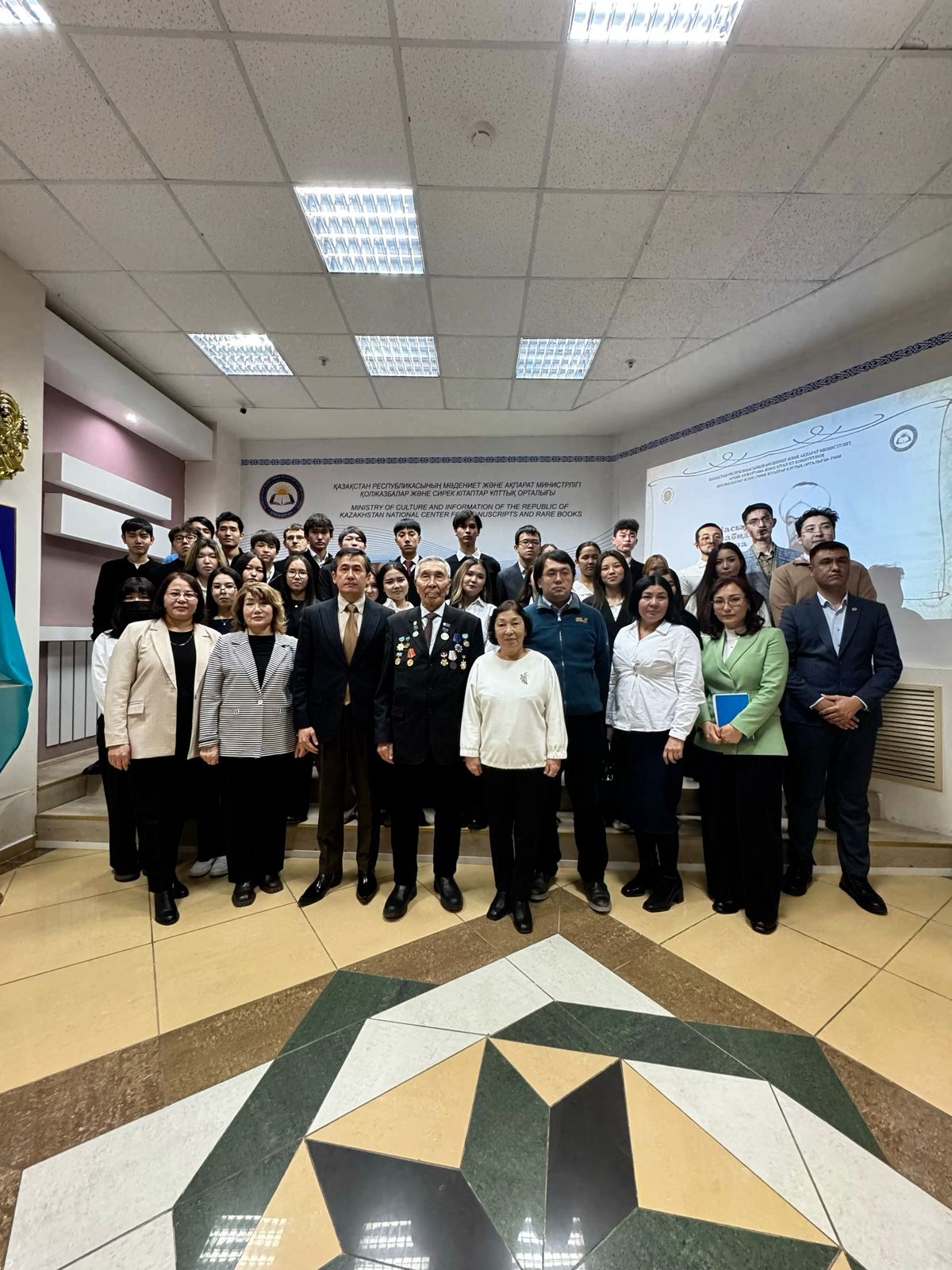
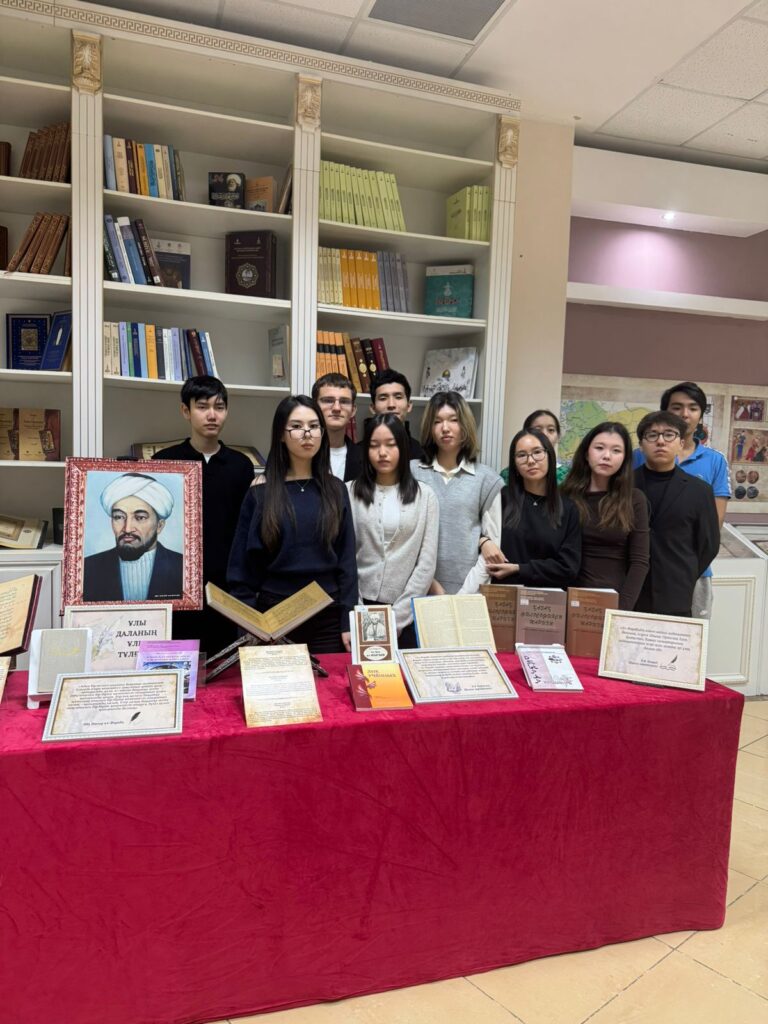
During the scientific seminar, participants examined al-Farabi’s philosophical and scientific heritage, the philosopher’s role during the Eastern Renaissance, the significance of his works in the fields of music, mathematics, and logic, as well as the continuity of al-Farabi’s ideas in modern science. In addition, leading specialists of the research department and orientalists of the National Center of Manuscripts and Rare Books, along with representatives of the academic community, presented reports on al-Farabi’s contribution to the history of civilizations and on the meaning of his work “The Treatise on the Views of the Inhabitants of the Virtuous City.”